.webp?width=372&height=51&name=JAMS%20Pathways%20Logo%20RGB%201%20(2).webp "JAMS Pathways Logo RGB 1 (2)")

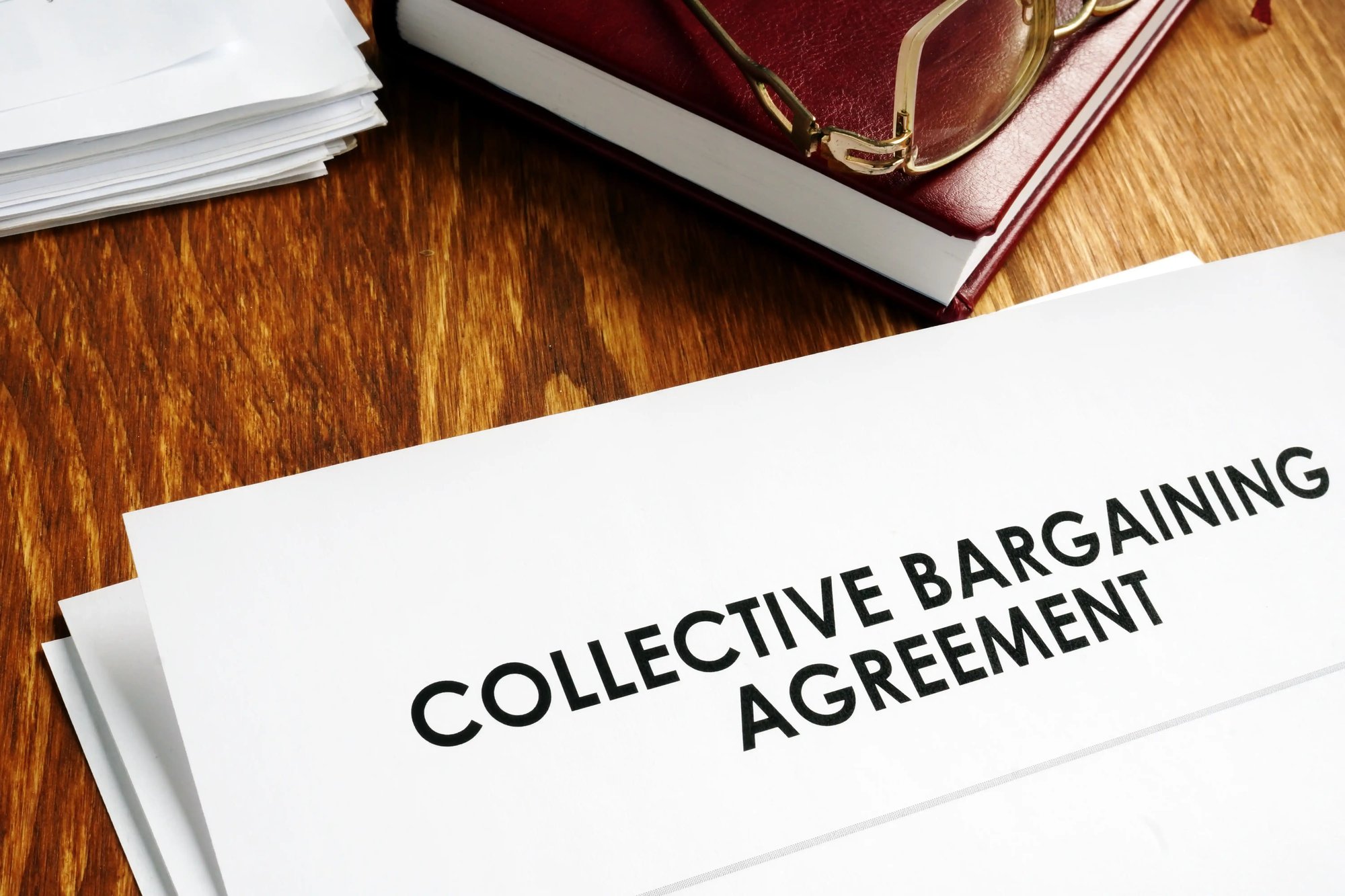
Collective Bargaining Agreement Process Overview
JAMS Pathways can bring union leadership together to facilitate agreement within unions and labor groups when internal disputes arise during the development of new collective bargaining agreements or revisions of existing agreements.
Our deep bench of highly experienced facilitators and mediators is seasoned in navigating the ins and outs of collective bargaining agreements, helping your organization to find consensus and move forward.
How We Help Organizations Handle Disputes:
Collective Bargaining Agreements:
-
We support your efforts in facilitating collective bargaining agreements and responding to disputes.
Neutral Facilitation
-
Our highly-knowledgeable facilitators help your organization navigate complexity, discover alignment with union negotiators, and make optimal decisions designed to achieve an equitable resolution to disputes. Click here for more info.
Workplace Conflict Resolution Training
-
Learn essential conflict resolution skills to prevent conflict, resolve disputes, and enhance the work environment. Click here for more info.
Negotiation Course
- We offer training in negotiation skills to confidently and constructively resolve workplace conflicts. Click here for more info
Systems Designs for Conflict Resolution
- We offer a structured approach to building processes and systems to proactively prevent, manage, and resolve conflicts effectively.
Learn more about how JAMS Pathways can help you with your collective bargaining agreements and workplace disputes. Click here for more info.

Why JAMS Pathways?
Proven Experience
We have decades of experience and broad subject‐matter proficiency dealing with collective bargaining agreement disputes.
Legal and Industry Compliance
Our team has deep command of workplace rules and legal compliance requirements.
Tailored Flexibility
Whether a collective bargaining dispute or an informal pre-dispute process, we adapt to meet the needs of your organization, supporting you where you need it most.
Learn more about how JAMS Pathways can help you with your collective bargaining agreements and workplace disputes. Click here for more info.
If your organization is facing a formal grievance that arises from a collect bargaining agreement dispute, JAMS ADR services can help with your arbitration needs. Click here for more info.
Why Organizations Trust Us
We are part of JAMS, the premier provider of alternative dispute resolution services.

Neutral, trusted
facilitators

Tailored approach, not one-size-fits-all

Confidential and culturally sensitive


